
Rainy Season Football in Thailand and Bali: Why It's the Best Time to Play
Can you play football in the rain in Bangkok and Bali? Yes. Rainy season is actually the best time to play. Cooler temps, packed games, and pitches that drain fast.

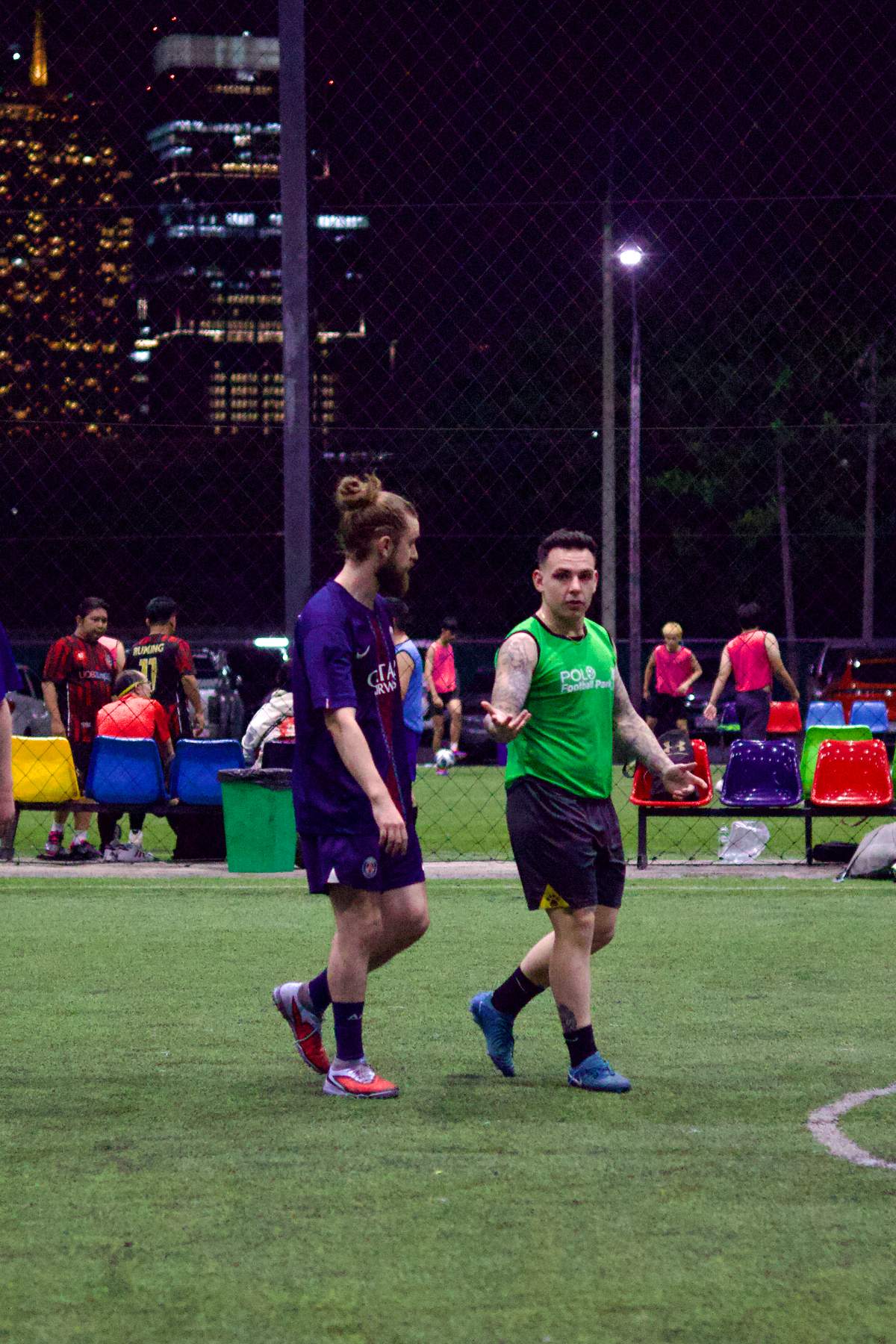
Most people assume the rainy season kills outdoor football. They picture flooded pitches, cancelled games, and players hiding indoors for months. I hear this from tourists and new arrivals all the time. "Do you guys still play when it rains?" The answer surprises them every time.
We play more during the rainy season. The community grows. The games fill up. And honestly, it's the most comfortable time to be on a pitch in Southeast Asia.
I'm Ludovic, founder of KickHub. We run 20+ pickup football games per week in Bangkok and 3+ per week in Bali. More than 4,000 players from over 120 nationalities have signed up with us. I've been through every rainy season since we started, and what I've learned is the opposite of what most people expect: the wet months are better for football than the dry ones.
When rainy season actually hits
Thai Meteorological Department
Thailand and Bali have completely different rainy seasons. If you're planning to play football in both places, you need to know the timing.
In Thailand, the monsoon runs from May to October. The heaviest rains come in July, August, and September. But "rainy season" doesn't mean it rains all day. Bangkok gets intense bursts that last 20 to 45 minutes, usually in the late afternoon. The sky goes dark, the rain hammers down, and then it stops. By the time your evening game starts at 7 or 8 PM, the storm has passed. The pitch drains, the air cools, and conditions are better than they were at 5 PM.
In Bali, the wet season runs from November to March. Similar pattern: short, heavy downpours rather than all-day drizzle. Canggu and the surrounding areas get their heaviest rain in December and January. Like Bangkok, the rain tends to come in bursts. A midday storm doesn't mean a cancelled evening match.
The overlap matters. If you're a nomad moving between the two cities, you can play in Bangkok through its rainy season (May to October) and then head to Bali for the dry season (April to October). When Bali's wet season starts in November, Bangkok is cooling down into its best weather. The two locations complement each other year-round.
What happens when it rains during a game
People imagine that rain shuts everything down. It doesn't. Here's what actually happens.
Light to moderate rain: we keep playing. Nobody leaves. In fact, players love it. The temperature drops, the humidity breaks, and running around feels ten times easier than it does on a sweltering dry evening. I've watched players celebrate when the first drops hit because they know the next 45 minutes will be comfortable. The ball moves faster on wet synthetic turf. Passes slide through. The game gets quicker and more fluid. Some of the best sessions I've seen happened in steady rain.
The reaction surprises people who've never played here. They expect complaints. What they get is a group of players grinning because they're finally not drenched in sweat from the heat. Playing in warm tropical rain is genuinely pleasant. You're already soaked from perspiration five minutes into any game in Southeast Asia. What difference does rain make?
Heavy storms with lightning: we stop. Full stop. An open pitch with metal goals during an electrical storm is not the place to be. When conditions get dangerous, we cancel the game and every player gets what they paid back in their KickHub wallet. No arguments, no grey areas. Safety is clear.
This is the policy across all KickHub games in both Bangkok and Bali. You book, you show up, and if a severe storm forces cancellation, your money goes back to your KickHub wallet. You use it for your next game. Nobody loses out.
In practice, full cancellations are rare. Most rainy season evenings in Bangkok play out the same way: rain in the afternoon, dry by kickoff. Maybe 10 to 15 percent of games during peak monsoon months get disrupted. The rest go ahead as scheduled.
The real enemy is heat, not rain
This is the part that changes people's perspective.
I wrote about playing football in the heat separately because it deserves its own guide. But the contrast matters here. Bangkok's hot season runs from March to May. Temperatures hit 36 to 38 degrees during the day and barely drop below 30 at night. Humidity sits above 70 percent. The air feels like a wall when you step outside.
April 2026. Peak hot season. It was brutal, the kind of heavy, sticky evening where you start sweating before you've tied your boots. An English guy from London showed up to play his first KickHub game with a friend. On vacation, hadn't been doing much cardio. He stepped onto the pitch at POLO around 7:30 PM and lasted about three minutes. Three minutes. He asked to come off because the humidity had completely overwhelmed him. He couldn't breathe properly, his body had zero answer for the conditions. He sat on the sideline for the remaining 57 minutes watching everyone else. He now holds the unofficial record for the shortest playing time at KickHub.
His friend played the full 60 minutes. The difference was that his friend had been doing some outdoor activity earlier in the trip. A small head start on acclimatization made the difference between a full game and three minutes of misery.
Now compare that to a rainy season evening in August. The temperature drops to 27 or 28 degrees. A light rain falls during the game. The air is cooler and fresher. Players who struggled through April suddenly feel like they have new legs. The guy who lasted three minutes in hot season could probably handle a full game in the rain without any problems.
Rainy season football is easier on your body. Your heart rate stays lower. You don't overheat as fast. You can play at higher intensity for longer. Recovery is quicker because you're not fighting heat exhaustion on top of normal fatigue.
October 2025, right in the middle of monsoon season, was one of our busiest months. The games were packed. The community was growing fast. People were playing three, four, five times a week because the weather made it sustainable. Compare that to April, when even the regulars cut back to two or three sessions because the heat wears you down.
The monsoon months are the closest Bangkok gets to comfortable football weather. If you're arriving from Europe or anywhere with temperate seasons, you'll find rainy season football more familiar than hot season football. The temperature range feels closer to a warm summer evening back home. The rain adds character. The heat just punishes you.
What the pitches look like in the rain
All KickHub venues use synthetic turf. This matters because synthetic pitches handle rain differently from natural grass.
Natural grass gets waterlogged. The ball stops dead. Your feet sink in. Puddles form in the goalmouth. It's the kind of muddy mess that makes the game painful rather than fun.
Synthetic turf drains well. The surface is built on layers designed to move water through quickly. After a downpour, a well-maintained artificial pitch can be playable within 30 to 45 minutes. During light rain, you don't notice much difference except that the ball rolls a bit faster and the surface has less friction for sliding.
POLO in Bangkok and our venues in Canggu all use quality synthetic turf that holds up through the wet months. The playing surface stays consistent. You don't need to worry about cancellations from pitch conditions. If the rain stops, the pitch is ready.
The one thing that changes is grip. Wet artificial turf is slightly more slippery than dry. Turf shoes (TF soles) with decent tread give you better traction than moulded studs, which can slide on the synthetic fibres when they're wet. If you play regularly through rainy season, invest in a good pair of turfs. Your ankles will thank you.
What to wear and bring during rainy season
Playing in the rain doesn't require special gear, but a few things make the experience better.
Wear synthetic fabrics. Cotton gets heavy when wet and sticks to your skin. A lightweight polyester shirt dries fast even if you get soaked. Most players in Bangkok already wear synthetic gear because of the heat, so this doesn't change much.
Bring a dry change of clothes in a waterproof bag. After the game, sitting in a wet shirt at the restaurant gets uncomfortable fast. A dry t-shirt and shorts in a zip-lock bag takes thirty seconds to pack and makes the post-game hangout more pleasant.
Pack your phone in a waterproof pouch or leave it in your bag off the pitch. Most players already do this, but during rainy season the risk of a sudden downpour catching your phone on the sideline is higher.
Wear grip socks if you have them. The extra traction inside your shoes helps when the surface is wet. Not essential, but the players who wear them during monsoon months swear by the difference.
Bring a towel. This is good advice year-round in Southeast Asia, but especially during rainy season when you might get rained on between the pitch and the parking area.
Don't bother with waterproof jackets. You're playing football. You'll be soaked from sweat within five minutes regardless of rain. A jacket just traps heat and makes things worse. Embrace getting wet. It's warm rain. It feels good.
The community grows during monsoon season
This is the part that surprised me when I first noticed it. I expected rainy season to thin out the player base. Fewer tourists, worse weather on paper, "it's raining I'll stay home" mentality. The opposite happened.
Attendance went up. Game fill rates stayed at 97 percent or higher. New players joined at the same rate as dry season, sometimes faster. The regulars played more often because the cooler conditions let them recover faster between sessions.
There are a few reasons this happens.
Players who've been in Bangkok through hot season are tired of the heat. When the monsoon arrives and drops the temperature five or six degrees, there's a collective sigh of relief. The game becomes enjoyable again instead of something you survive. Motivation goes up.
Expats who arrive during monsoon season (a lot of people move to Bangkok between June and September) discover that football is accessible right away. They don't have to suffer through the heat adjustment period that March arrivals face. Their first game feels manageable. They come back for a second.
The social side intensifies too. When it's raining outside and your evening plan was "stay home," seeing a confirmed football game on the app at 8 PM gives you a reason to get out. The post-game food runs get bigger. People stick around longer because the air is cooler and nobody is rushing home to escape the heat.
In Bali, the pattern is different but the result is similar. Wet season (November to March) overlaps with the high season for digital nomads. Canggu fills up with remote workers looking for things to do outside of their laptops. Football fills that gap. Our Bali games during wet season attract a mix of long-term residents and nomads who are in town for one to three months. The community refreshes constantly, which keeps the energy high. You can read more about how the Bali football community works.
Practical tips for rainy season football
Check the weather forecast, but don't trust it blindly. Bangkok weather apps are notoriously inaccurate for predicting the exact timing of rain. The forecast might say rain at 7 PM, but the actual burst happens at 4 PM and clears before your game. Unless there's a severe storm warning, show up. You'll regret cancelling more than you'll regret getting rained on.
Be there 10 minutes before kick-off. If it rained before your session, the pitch might need a quick check. The organizer will confirm if the game is on. Being there early means you're ready when the whistle goes.
Warm up properly. Wet surfaces are slightly more slippery. Your muscles need to be ready for the extra stabilization work your ankles and knees will do on a damp pitch. Five minutes of dynamic warmup (high knees, lateral shuffles, light jogging) prevents the ankle rolls that spike during wet months.
Hydrate the same as you would in dry season. Rain cools you down, but you're still sweating. The humidity during monsoon season is extreme, often 85 to 95 percent, which means your sweat doesn't evaporate efficiently even when the temperature drops. Drink 500ml of water with electrolytes two to three hours before the game and keep sipping during play.
Adjust your playing style. The ball moves faster on wet turf. Passes need to be slightly firmer. First touches need to be softer because the ball skids more. Turning gets harder when the surface is damp, so think ahead and position your body earlier. The players who adapt fastest are the ones who play slightly slower and more deliberately rather than trying to sprint and turn at full speed on a wet surface.
Why you should plan your trip around rainy season
If you're visiting Bangkok specifically to play football, May to October gives you easier conditions than November to February (which is the "cool season" and actually the most popular tourist window). You'll pay less for flights and accommodation during monsoon months. Games are just as frequent and just as full. The weather is more forgiving than the scorching heat of March to May.
For Bali, the same logic applies during November to March. Peak nomad season, lower prices than the dry season crush of July and August, and football conditions that are comfortable rather than blazing.
If you want to find games in either city, the guide to finding pickup football in Bangkok covers how the booking system works, which venues are best, and what to expect. If it's your first time joining a pickup game, the [complete guide to joining pickup football]/articles/how-to-join-pickup-football-game walks through everything from booking a spot to handling the nerves of showing up alone.
Rain makes it better
I've run games through every season in Bangkok. Hot season is survival mode. Cool season is the most popular. But rainy season is my favourite to play in. The temperature drops, the air feels alive, the ball moves well, and the players are locked in because the conditions are perfect for actual football.
The 3-minute guy from April would have lasted the full hour in August. The rain would have cooled him down. The lower temperature would have kept his heart rate manageable. He'd still have been unfit, but he wouldn't have been cooked alive.
Rainy season football isn't something you endure. It's something you look forward to. The best players in the community know this. They play more during monsoon, not less. They know the pitch drains fast, the cancellations are rare, and the refund policy covers them if a storm actually hits.
If you're in Bangkok or Bali during the wet months and you've been putting off playing because of the weather, stop waiting. Book a game. Show up. Bring a towel and a dry shirt. You'll leave the pitch wondering why you ever hesitated.
And if you are on Phuket rather than in Bangkok, the pitches there handle the monsoon better than most, several of them roofed or indoor: pickup football in Phuket covers which ones stay playable in the rain.